
The world pummels teens with information and disinformation and expects them to sort it all out. And you are surprised when they just want to check out?
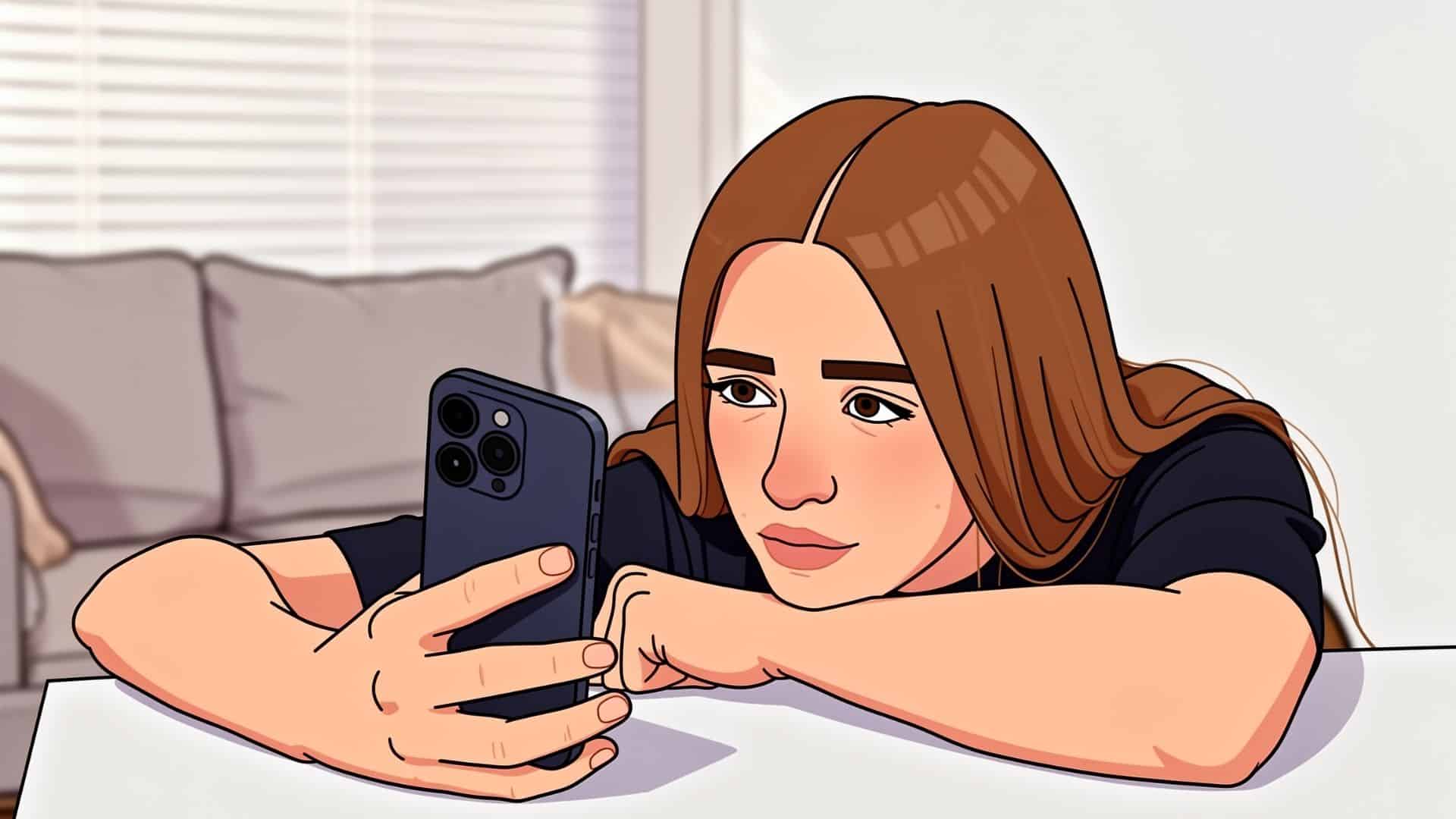
A teen scrolls through social media. Illustration by News Decoder.
Many teens across the world feel overwhelmed. They hear that AI bots will take over any jobs they hope to get. They hear that a university education won’t guarantee them the success it did for their parents.
They hear that little they do will stop the climate change that is making it too hot or too cold or too dry or too wet wherever they live. They are told to not believe what they read in the news.
The result is that they check out from the chaos of the world. They avoid news. They spend more time on video games, fantasy sports and bingeing shows.
So how do we get them to check back in, care about what is happening around them and find the confidence to act?
One way is to show them that they don’t have to absorb everything social media and the news industry throws at them. Consider: When you have a task list that seems too long and impossible to do, the way to tackle it is by focusing on only one task.
One problem at a time
At News Decoder we ask students to focus on only one problem, and one that they recognize as important in their world.
You see, too many teens feel that they are being “talked at” instead of “listened to.” They are told what problems are important and what media they should consume or avoid.
We believe that teens are perceptive. They see the problems around them, they don’t need people telling them what’s wrong. We ask them to identify a problem and investigate it.
We ask them to find evidence that the problem is happening, and experts who can help them put it into perspective and give it context. Then we have them find people working to solve the problem.
But we want teens to take one more step, and that is to connect that problem in their world, their community, and see how it plays out in other places — other cities, states and countries.
Connections count.
By connecting the problem that they care about to the rest of the world, they can discover that there are people working on solutions all over the world. They go from hopeless to hopeful.
Finally, we ask teens to tell that story to the world — and in doing so, they become confident in their own ideas and empowered to act.
In this process, they discover the thrill of the research journey. They come to their own grounded conclusions and find that instead of being talked at, they can be listened to.
There is empowerment in storytelling. To tell a good story you need to know what happened and why it is important. You need to make confusing information clear to the audience and base it on enough credible evidence that your audience will believe you.
This kind of storytelling is difficult but at News Decoder, we team students up with professional editors who can help them shape what they find in their research and interviews into compelling stories that would interest not only their teacher, but their peers and family and someone they don’t know who lives halfway across the world.
Let’s empower, not demoralize.
Students end up confident in their ability to assess the quality of information or the media they consume and confident in their own ideas.
This is the opposite of checking out: they become passionate consumers, re-energized, curious about the world.
As the school year begins in many countries across the globe, we at News Decoder pledge this: We aren’t going to tell anyone what to read, listen to or see. We won’t try to dictate how to think.
But we will help teens identify and explore the problems they see around them and help them understand how that fits into the wider world. We will guide them through a process of discovering solutions and the people working on those solutions.
Our mission is to transform teens from cynics who have checked out, to healthy skeptics ready to tackle the problems that come their way.
Join us in this journey.

Marcy Burstiner is the educational news director for News Decoder. She is a graduate of the Columbia Journalism School and professor emeritus of journalism and mass communication at the California Polytechnic University, Humboldt in California. She is the author of the book "Investigative Reporting: From premise to publication."